Age-related Macular Degeneration
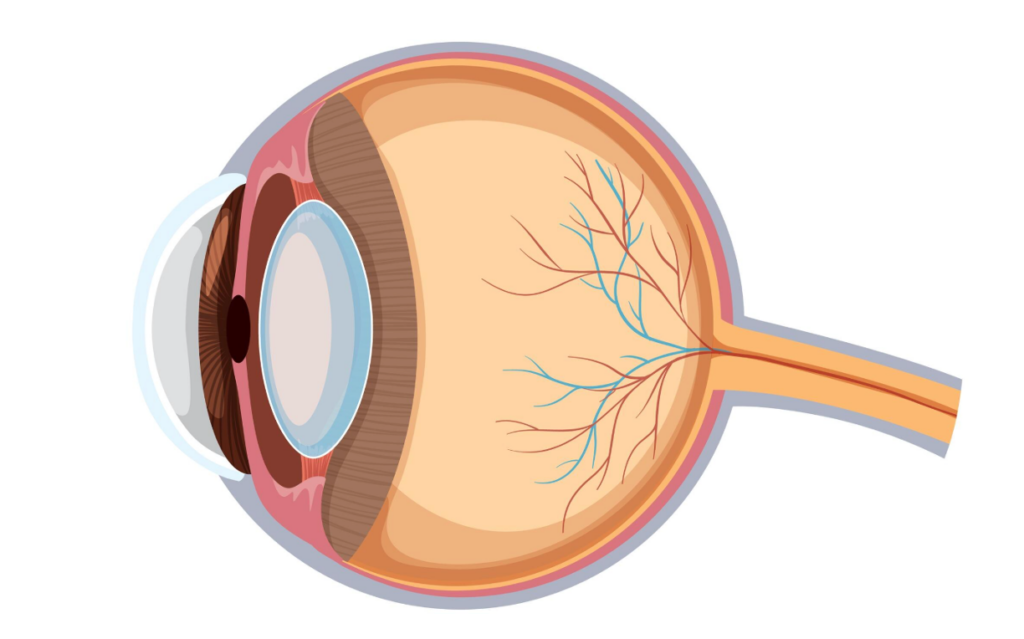
Age-related macular degeneration (ARMD) is the leading cause of vision loss in the U.S., and is a condition that affects the central part of the retina, called the macula. The disease generally affects people over age 50, obscuring their central vision. ARMD is classified as dry when drusen, or lipoprotein deposits, accumulate underneath the retina. Atrophy of the retina can also occur in dry ARMD, which can lead to loss of vision.
A combination of vitamins (AREDS 2, from the Age Related Eye Disease Study) have been shown to decrease the progression of certain types of ARMD. Macular degeneration is classified as wet when abnormal blood vessels leak, which can lead to a rapid decline in vision. The most common retinal services for wet macular degeneration is an injection of a medication into the eye, sometimes given on a monthly basis, that may stop the leaking or bleeding and restore vision.